Controlled Removal for Clean Site Transitions
Demolition & Property Redevelopment in Barron for properties requiring structure removal, site clearing, or preparation for new construction after tear-down
Structure removal requires more than knocking down walls—utilities must be disconnected safely, hazardous materials identified and handled according to regulations, debris sorted for recycling versus landfill disposal, and sites cleaned to grade for redevelopment. Residential and commercial demolition projects each involve different considerations: homes may contain asbestos insulation or lead paint requiring certified abatement, while commercial structures often have larger concrete foundations, underground tanks, or industrial materials needing specialized handling. Frazier Construction LLC manages demolition and property redevelopment in Barron, covering everything from interior demolition for remodeling projects to complete structure removal, concrete removal, and site cleanup that prepares properties for new builds.
The process begins with utility disconnection coordination, hazardous material assessment, obtaining necessary permits, followed by systematic dismantling that prioritizes safety and debris management. Interior demolition removes walls, fixtures, and finishes down to structural framing, while complete structure removal includes foundation demolition, below-grade concrete removal, and backfilling excavated areas to proper compaction levels.
Schedule a property evaluation to review demolition scope, discuss debris handling, and outline site redevelopment steps necessary for your planned construction.
What Demolition Actually Accomplishes
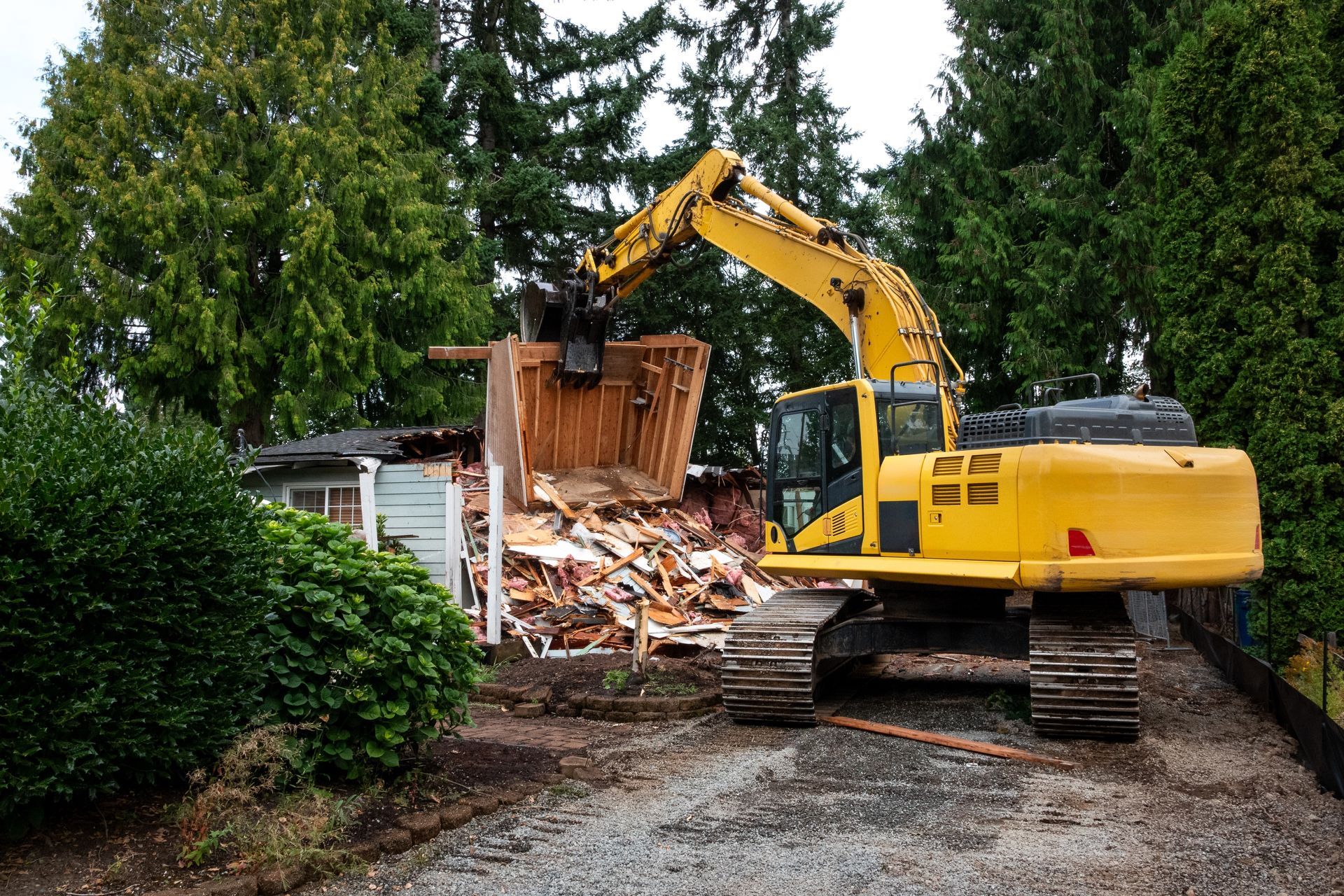
Demolition work starts with disconnecting electrical service, capping water and sewer lines, and shutting off gas supplies to eliminate utility hazards. Interior demolition selectively removes partition walls, flooring, and fixtures while preserving structural elements intended to remain, allowing remodeling projects to proceed without unnecessary reconstruction. Complete structure removal involves heavy equipment to dismantle framing, separate materials for recycling, break up foundation concrete, and excavate below-grade elements like basement floors or footings.
Once demolition and cleanup finish, you'll notice a level site clear of debris, foundations removed to specified depth below final grade, and soil conditions ready for new construction without obstructions or buried materials that would interfere with excavation. Sites are left graded to drain properly, with utilities capped at appropriate locations for future connections, and vegetation or topsoil stripped as needed for planned development.
Site cleanup and redevelopment include sorting demolition debris into recyclable metal, concrete for crushing and reuse, dimensional lumber for processing, and non-recyclable waste for proper disposal. Concrete removal generates material that can be crushed on-site or hauled to facilities for recycling into aggregate, reducing landfill volumes and often lowering disposal costs compared to mixed debris loads.
What Homeowners Usually Ask
Demolition projects involve safety protocols, debris management, and site preparation steps that affect timelines and readiness for subsequent construction.
What permits are required for residential demolition in Barron?
Most structure removals require demolition permits confirming utilities are properly disconnected, debris disposal plans meet local regulations, and environmental hazards like asbestos are handled by certified contractors before work begins.
How is hazardous material handled during demolition?
Asbestos-containing materials require testing, certified abatement contractors for removal, and documented disposal at approved facilities, while lead paint generates dust requiring containment and cleanup meeting EPA renovation rules.
What happens to concrete and foundation materials?
Concrete is typically crushed for use as fill material or road base, rebar separated for scrap metal recycling, and clean concrete hauled to recycling facilities rather than occupying landfill space.
Why does interior demolition cost less than complete structure removal?
Interior work involves smaller debris volumes, less heavy equipment time, no foundation breaking or excavation, and utilities remain active for continued building use, reducing both labor and disposal expenses.
When should demolition occur relative to new construction schedules?
Structure removal happens after permits are secured and utilities disconnected, ideally timed so site redevelopment and new construction begin shortly after cleanup to avoid erosion or site degradation during idle periods.
Frazier Construction LLC coordinates utility disconnections, permit acquisition, and debris management to complete demolition projects safely while preparing sites for redevelopment that meets your construction timeline. Request a consultation to assess demolition requirements, review site conditions, and plan beginning-to-end transitions from structure removal through new construction.